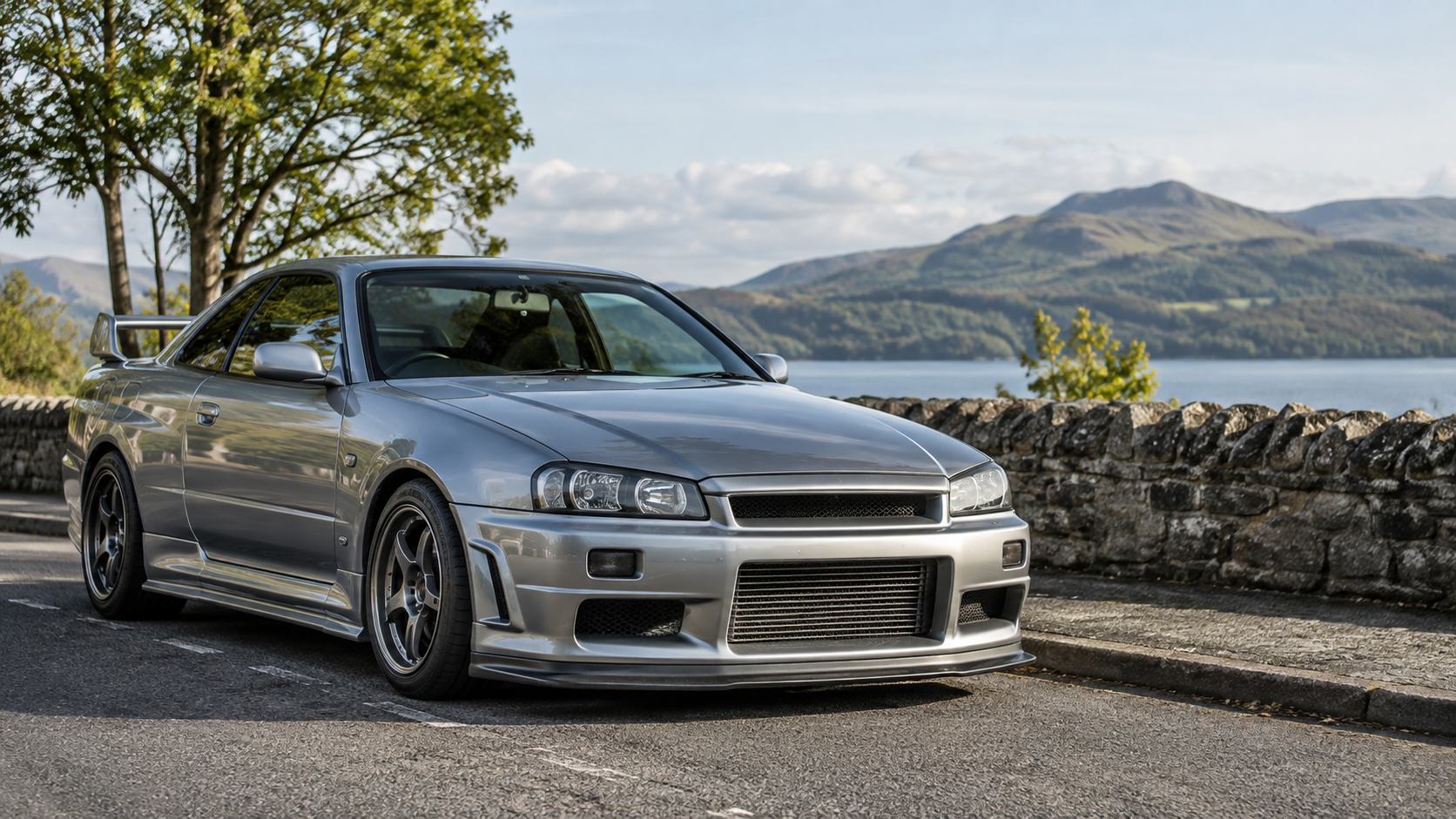
Modification means more than engine tuning
Changes can include suspension, wheels, bodywork, exhausts, engine software, interior alterations and cosmetic additions. Insurers differ in what they class as a modification and what they are willing to cover.
Factory options can be treated differently
A feature fitted when the car was built isn't always treated in the same way as an aftermarket change. If you're unsure whether something was standard, a factory option or fitted later, say so.
The effect on price varies. Some modifications make little difference with one insurer and are unacceptable to another. The insurer may change the premium, alter terms or simply note the change.
Declare changes during the policy too
If you modify the car after the policy starts, check whether the insurer needs to be told before the work is done or immediately afterwards. Don't wait until renewal unless the insurer has told you that is acceptable.
Specialist cover can be useful
Owners of heavily modified cars may find a specialist insurer or broker easier to deal with because the policy can be based on the actual specification rather than trying to fit the car into a standard online category.
Powered by Quotezone ⓘWe are an introducer appointed representative of Seopa Ltd (FCA FRN: 313860). Seopa Ltd, trading as Quotezone, provides the insurance comparison service and we receive a commission for any policies purchased, at no cost to you. We do not offer financial information.